Ultrasonic Humidifiers: White Dust, Risks, and Fixes
Why avoid ultrasonic humidifiers?
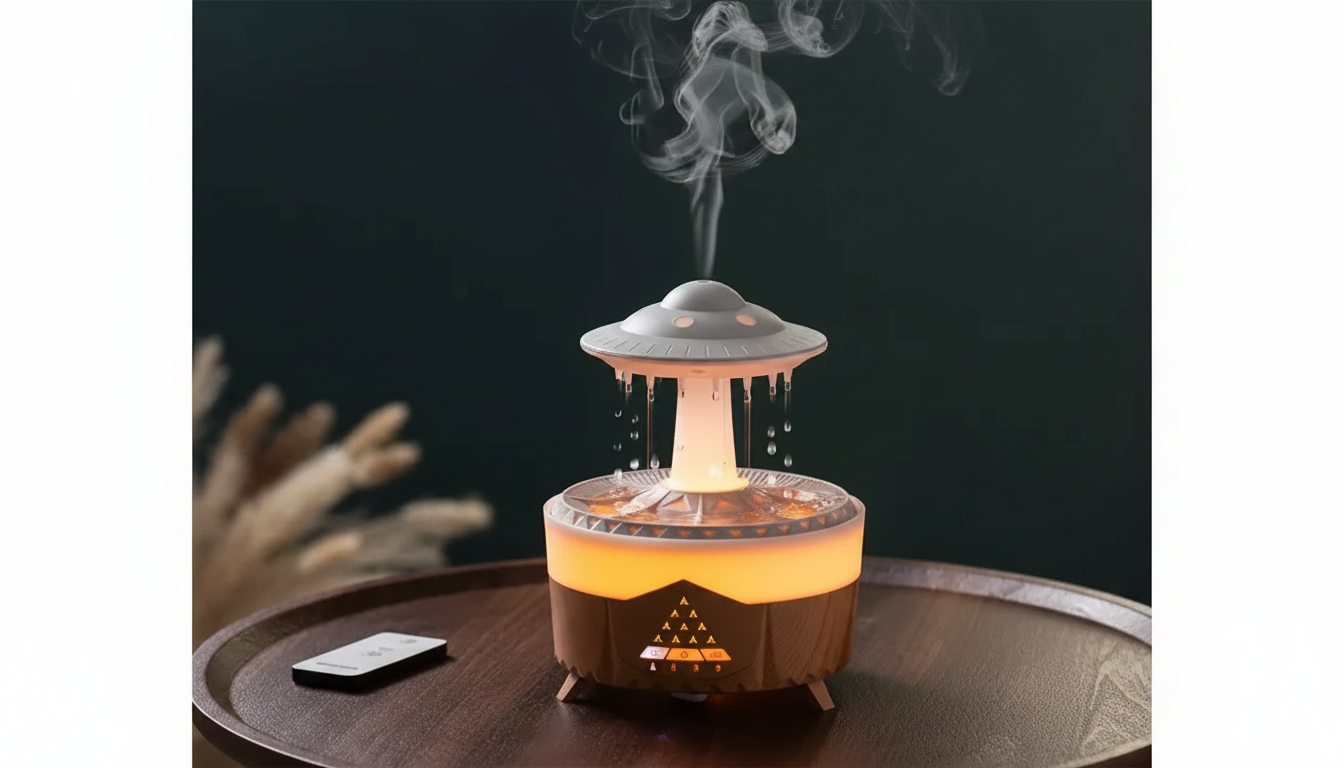
Ultrasonic humidifiers can be convenient because they’re quiet, energy-efficient, and quick to raise indoor humidity. The main reason some people avoid them is that many models can release “white dust” and other fine particles into the air when used with mineral-rich tap water. Depending on the room, the water quality, and how the unit is maintained, that airborne mist may settle on surfaces or be breathed in—an issue that can matter more for babies, people with asthma or allergies, and anyone sensitive to particulates.
What are the biggest downsides of ultrasonic humidifiers?
The most common concern is mineral dispersal. Ultrasonic units use a vibrating membrane to turn water into a cool mist. If the water contains dissolved minerals (common with hard water), those minerals can become part of the mist and later show up as a fine, chalky film on furniture—or as particulates in the air.
Another drawback is hygiene. Any humidifier can grow bacteria or mold if it isn’t cleaned regularly, but ultrasonic humidifiers can distribute whatever is in the tank into the room along with the mist. That makes consistent cleaning, frequent water changes, and proper drying especially important.
When does avoiding one make the most sense?
Skipping an ultrasonic humidifier can be a smart move if you have very hard water and don’t want to use distilled water, if you’re dealing with ongoing dust buildup, or if someone in the household is particularly sensitive to airborne particles. In those situations, an evaporative humidifier (which uses a wick/filter) may reduce mineral release because minerals tend to stay behind in the filter instead of becoming mist.
How to reduce the risks if you already own one
If you like the quiet performance, using distilled or demineralized water can dramatically cut down on white dust. Keeping humidity in a reasonable range (often around 30–50%), cleaning the tank and base frequently, and replacing any filters or cartridges on schedule also helps.
For a deeper breakdown of pros, cons, and practical fixes, see the full guide: https://technobench.shop/why-avoid-ultrasonic-humidifiers/.
FAQ
Is evaporative humidifier better than ultrasonic?
Evaporative models typically release fewer minerals into the air because the wick/filter traps them, which can mean less white dust. Ultrasonic models are quieter and often more compact, but they usually require distilled water or extra maintenance to avoid mineral mist.





Leave a comment