Use ChatGPT for Meal Planning: Prep & Grocery Lists
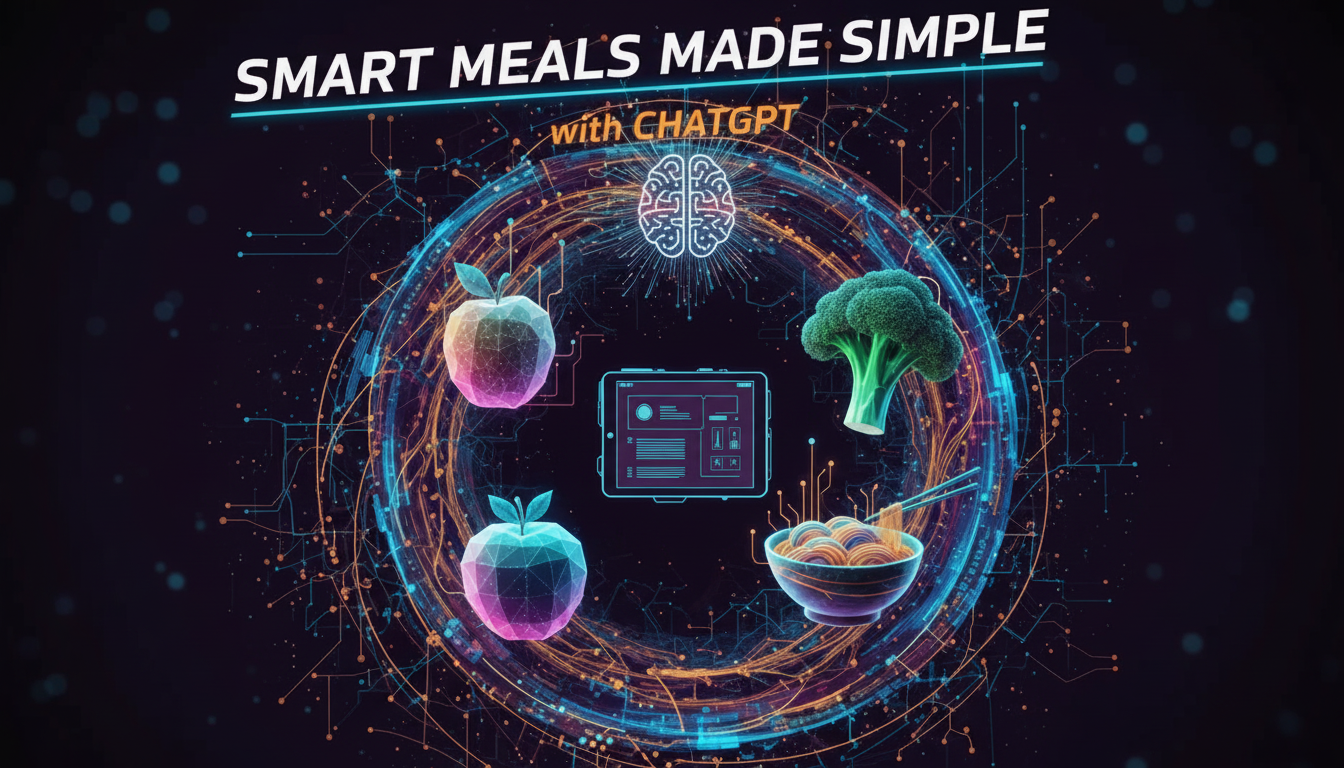
Smart Meals Made Simple with ChatGPT: AI-Powered Meal Planning, Prep, and Grocery Lists
Meal planning gets easier when a clear food routine meets the right AI workflow. With a few details—diet preferences, schedule, budget, kitchen tools—ChatGPT can help generate realistic meal ideas, batch-cooking plans, and organized grocery lists that reduce waste and decision fatigue. The goal isn’t perfection; it’s a repeatable system that makes weeknights calmer and grocery trips shorter.
What “smart” meal planning looks like day to day
“Smart” meal planning is less about fancy recipes and more about a dependable rhythm: plan → shop → prep → cook → reuse leftovers intentionally. The best plans are built around real constraints—your time windows, cooking comfort, family preferences, and any dietary needs—so the plan actually gets used.
It also helps to keep ingredients overlapping. When a few staples (rice, tortillas, greens, beans, chicken, eggs, frozen vegetables, yogurt) appear in multiple meals, cost drops and the odds of random produce going bad goes way down. Finally, smart plans include flexibility: built-in swap options for the night your meeting runs late or an ingredient is out of stock.
A simple nutrition-aware structure makes the plan feel “automatic”: aim for protein + fiber + produce at most meals, adjusting portions to match your goals. For a general visual guide, the USDA’s MyPlate Plan is a solid reference.
Set up ChatGPT for better meal plans (inputs that matter most)
Better outputs start with better inputs. Before generating a plan, define your household (how many people, ages, allergies, and “must-avoid” ingredients). Choose a style—Mediterranean, high-protein, vegetarian, dairy-free, budget-focused, or mixed—and lock in a schedule: how many breakfasts, lunches, dinners, and which days need 15–20 minute meals.
Then add “kitchen reality”: appliances, cookware, freezer space, and pantry staples already on hand. Finally, set boundaries such as weekly budget range, preferred stores, and how much you actually like leftovers.
Meal-planning inputs and the outputs to request
| What to provide | Example details | What to ask for in return |
|---|---|---|
| Time limits | Mon–Thu: 20 min; Fri: 45 min; Sun: prep day | A weekly plan with quick dinners on weekdays and one batch-cook session |
| Nutrition priorities | Higher protein; more fiber; less added sugar | Meals with protein targets per meal and high-fiber sides/snacks |
| Diet rules | Gluten-free; nut allergy; picky eater avoids mushrooms | Alternatives for restricted items and swap lists |
| Budget and waste goals | $80–$110/week; minimize leftovers going bad | Ingredient overlap strategy and a pantry-first plan |
| Cooking comfort | Beginner; prefers sheet-pan and one-pot meals | Simple recipes with 6–10 ingredients and step-by-step instructions |
A weekly workflow that stays realistic
A plan is only as good as your ability to execute it on a tired Wednesday. A practical weekly workflow keeps decisions front-loaded and weeknights light.
- Step 1: Generate a 7-day meal grid (breakfast, lunch, dinner, snacks) with time estimates.
- Step 2: Convert the grid into a prep plan: what to wash/chop/cook ahead, and what to freeze.
- Step 3: Turn meals into a categorized grocery list (produce, protein, pantry, dairy, frozen, spices).
- Step 4: Add substitutions: at least two swaps per dinner for nights when ingredients run out.
- Step 5: Create a leftovers strategy: “cook once, eat twice” lunches and repurposed dinners.
- Step 6: Save it as a reusable template for next week, only changing 2–3 dinners to keep variety.
Smart grocery lists that reduce overspending and food waste
Start by taking a 3-minute inventory of pantry, freezer, and “use first” fridge items. Then build your list around recipes with quantities and units, so you don’t double-buy (or buy a giant ingredient you’ll use once).
Personalized nutrition without turning meals into math
Personalization works best with simple targets: more vegetables, consistent protein, adequate hydration, and a balanced plate. Portion guidance doesn’t need a calculator—use common measures (cups), the plate method, or hand portions to keep it practical. The CDC’s overview on healthy eating for a healthy weight is a helpful baseline for building habits without extremes.
Meal prep styles that fit different schedules
Practical templates to reuse each week
Common pitfalls and quick fixes
Digital guides to make the system even easier
If you want a structured, plug-and-play approach, the Smart Meals Made Simple with ChatGPT digital guide organizes the whole routine—weekly plan structure, grocery lists tied to meals (with quantities and categories), meal prep workflows, and simple ways to tailor meals for dietary needs without overcomplication.
Because routines are easier to keep when stress is lower, pairing planning with mindset support can help. AI for the Heart: Smart Ways to Boost Your Emotional Well-Being offers practical self-care and mindfulness structure that fits busy schedules.
For broader AI productivity workflows beyond the kitchen, Cursor AI Unleashed: Your Step-by-Step Guide to Smarter Workflows is a useful companion for building repeatable systems in work and life.
FAQ
How detailed should meal-planning instructions be to get consistent results?
Include household size, dietary rules, time limits, budget, preferred cuisines, and kitchen equipment. Request a 7-day grid plus a categorized grocery list with quantities so the plan stays consistent week to week.
Can AI-generated meal plans support allergies or medical dietary needs?
Yes, as long as allergies and restrictions are stated clearly and you double-check ingredients and labels. For medical conditions, use the plan as a starting point and confirm requirements with a clinician or registered dietitian.
What’s the easiest way to turn a weekly plan into meal prep?
Do one prep session for components (grains, proteins, chopped vegetables, sauces), then assemble quickly on weeknights. A timed checklist and storage guidance (fridge vs freezer) makes it much easier to follow through.





Leave a comment