Write a Children’s Book: Checklist + AI Support Guide
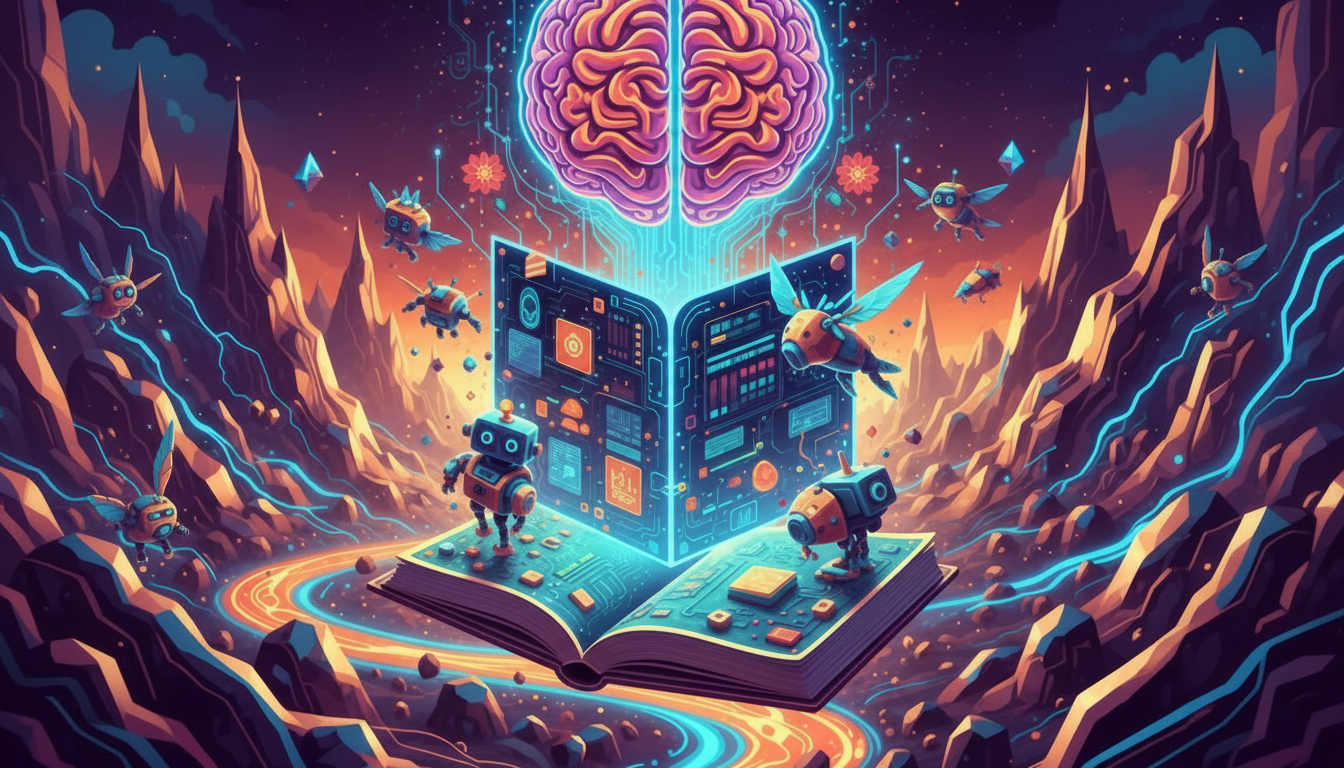
Starting a children’s book gets a lot less intimidating when each step is visible on one page: who the story is for, what it’s really about, how it moves, how it sounds aloud, what illustrations must carry, and what “done” looks like. Below is a practical checklist you can follow from first idea to finished manuscript—plus a simple way to use AI as support while keeping your voice, characters, and emotional core unmistakably yours.
What Makes a Children’s Book Work
Great children’s books tend to feel effortless, but they’re built on a few sturdy choices: a clear audience, a single emotional takeaway, and a story that moves through satisfying cause-and-effect. The younger the reader, the more every sentence has to “earn” its spot—either by advancing the action, deepening the feeling, or setting up a page turn.
Quick guide to common children’s book formats
| Format | Typical length | Best for | Writing focus |
|---|---|---|---|
| Board book | 100–400 words | First concepts (colors, routines, emotions) | Repetition, simple nouns/verbs, strong cadence |
| Picture book | 400–900 words | Story + read-aloud experience | Page turns, dialogue, pacing, theme clarity |
| Early reader | 1,000–6,000 words | New independent readers | Short chapters, controlled vocabulary, clear stakes |
| Chapter book | 6,000–15,000 words | Developing readers | Bigger plot arcs, consistent voice, series potential |
- A clear audience: Decide whether you’re writing a board book (0–3), picture book (3–7), early reader (5–8), or chapter book (7–10).
- One strong emotional takeaway: Comfort, courage, friendship, curiosity—choose one “aftertaste” that fits the age group.
- Simple cause-and-effect plot: Problem → attempts → turning point → satisfying resolution.
- Read-aloud rhythm: Short lines, natural repetition, and page turns that create anticipation.
- Memorable characters: One standout trait and a relatable want beats a long backstory every time.
The Checklist: From Idea to Finished Manuscript
Use this as a start-to-finish planner. If you only do one thing today, do the first two bullets—those choices quietly control everything else.
- Define the reader: pick an age band, reading level, and whether it’s mostly read aloud or read alone.
- Write one main message (one sentence) and one main conflict (one sentence): the message is the emotional truth; the conflict is what forces the character to learn it.
- Build a small cast: protagonist, helper, and obstacle (a person, fear, rule, or misunderstanding).
- Draft the story spine: opening routine → disruption → 2–3 attempts → climax → new routine.
- Plan page turns (picture books): mark where a surprise, question, or twist lands so the reader wants to flip.
- Draft fast, revise for clarity: remove explanations; show decisions and actions instead.
- Revise for sound: read aloud, tighten long sentences, and add purposeful repetition where it builds comfort or comedy.
- Proof for consistency: names, ages, setting details, and timeline (kids notice “mistakes” instantly).
For a ready-to-print version of this workflow (with boxes to fill in, page-turn planning space, and revision checkpoints), use the Printable writing planner: Your Checklist for Writing a Children’s Book.
Using AI as a Writing Assistant (Without Losing Your Voice)
AI can be useful when it’s doing “support work” rather than steering the story. The rule of thumb: you choose the theme, you choose the character’s heart, and you do the final wording—AI just helps you explore options faster.
- Idea expansion: generate alternate conflicts, settings, or character quirks, then keep only what strengthens your chosen takeaway.
- Structure support: compare a few different story spines and pick the one that best fits the age range.
- Language leveling: simplify a paragraph while preserving meaning, then manually verify word choices and tone.
- Rhythm polishing: test 3–5 variations of a refrain aloud and keep the one that “sings” without feeling forced.
- Sensitivity and clarity checks: look for confusing logic, unintended stereotypes, or overly abstract phrasing before sharing with early readers.
- Originality safeguard: treat outputs as raw material; rewrite in a consistent personal voice and keep a simple revision trail of what you changed.
If your process includes visual exploration for mood, style references, or concept art, Turn Words into Art with Midjourney can help you translate story vibes into images you can use for direction (even if you hire an illustrator later).
Planning Pages and Illustration Notes
For picture books especially, text and art are a team. Your job is to leave “air” for the illustrator while making sure the story logic stays crystal clear.
Revision Checklist: What to Cut, What to Keep
Getting Ready to Publish (Digital Download and Print Basics)
Reading aloud and early language exposure matter in real, measurable ways; the American Academy of Pediatrics highlights the benefits of reading aloud, and the CDC outlines why early brain development is so sensitive to experience. For craft community and ongoing learning, the Society of Children’s Book Writers and Illustrators (SCBWI) is a go-to resource.
FAQ
Can AI help write a children’s book without making it feel generic?
Yes—when it’s used for brainstorming, language leveling, and revision support, and you rewrite everything into a consistent personal voice. Keep the theme, character motivations, and final wording authored, and treat AI output as draft material you reshape.
How many words should a picture book be?
Often 400–900 words, and many modern picture books trend shorter. Pacing, page turns, and read-aloud rhythm matter more than hitting a single “perfect” number.
What should be included in illustration notes?
Include details the illustrator can’t infer from the text alone: expressions, setting cues, recurring objects, or visual reveals that support a page turn. Avoid over-directing; focus on what’s necessary for story logic and continuity.


Leave a comment